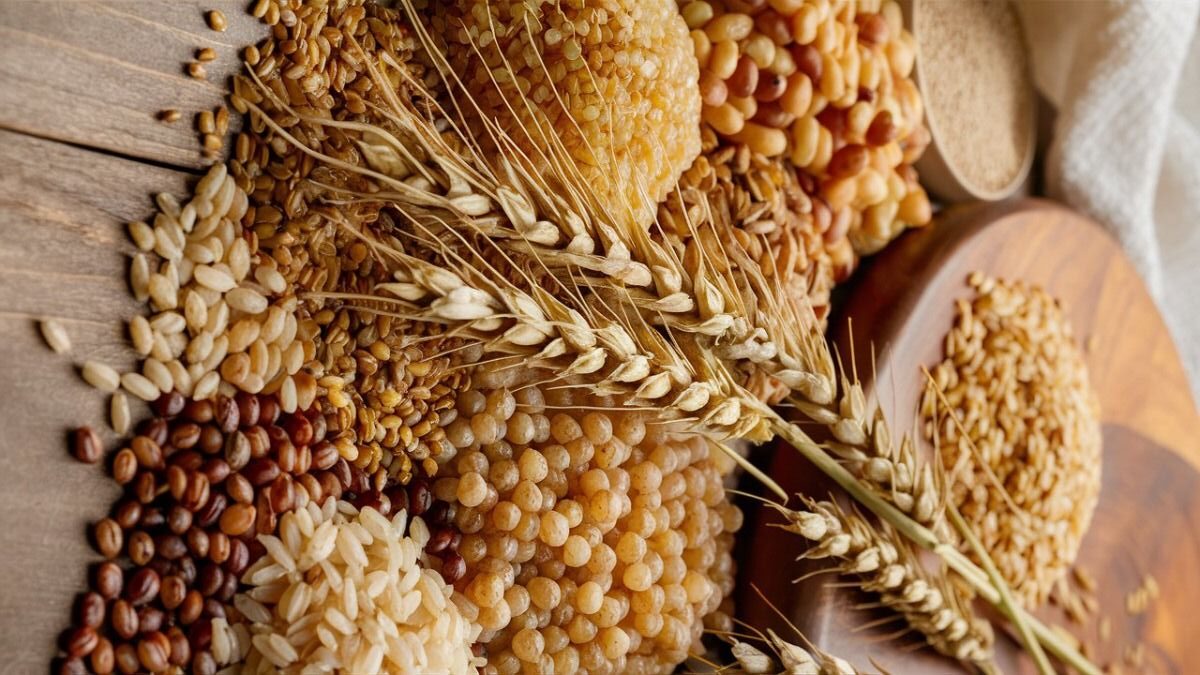
In the mountains, food is memory.
Long before chemical fertilizers, long before markets stuffed with polished rice and factory-made wheat, Himalayan families survived on tough, humble, resilient grains. Grains that grew in rocky soils, that didn’t need much water, that nourished entire communities through harsh winters, unpredictable rains, and mountain hardships.
But somewhere along the way, the world changed.
And these Himachal’s forgotten Grains—once the backbone of Himachali homes—were quietly forgotten.
At Tattva Farms, we are bringing them back.
Not as a trend.
Neither as nostalgia.
But because these grains hold the answers to the future of sustainable farming, healthy eating, and climate-resilient agriculture.
Let us introduce you to the lost heroes of the mountains.
🌿 Mandua (Finger Millet) — The Iron Rich Warrior
Dark, earthy, slightly sweet, and nutritionally powerful—mandua is a grain that once fed shepherds trekking across the Dhauladhar.
It’s rich in:
- Iron
- Calcium
- Fiber
- Protein
It keeps the body warm in winters and strengthens bones naturally. For centuries, Himachali grandmothers made mandua rotis with a little ghee on top. Today, it’s often replaced by wheat, but mandua’s benefits remain unmatched.
At our farm, we still knead mandua dough the old way warm water, slow mixing, patient hands.
🌿 Phaphda (Buckwheat) — The Mountain Healer
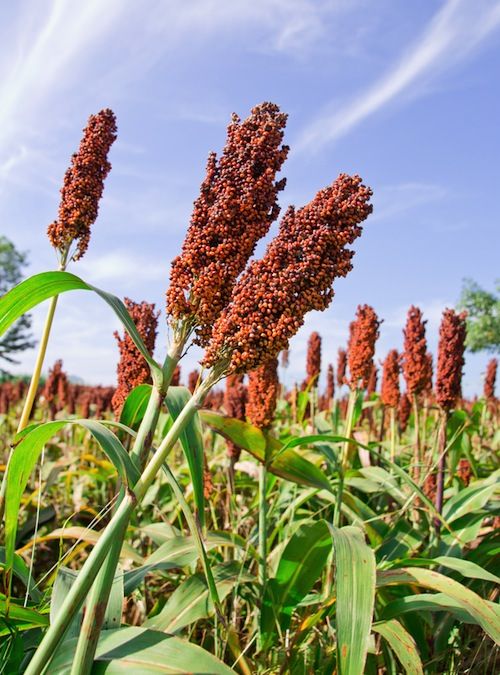
Buckwheat grows where most crops fail.
slopes.
stones.
On cold Himalayan soil.
It’s gluten-free and loaded with antioxidants.
In old Himachal, phaphda flour was used to make rotis during fasting season, but its real power lies in its medicinal qualities:
- Controls blood pressure
- Helps digestion
- Boosts immunity
This grain is a silent healer, gentle but strong.
🌿 Ogla / Jhangora (Barnyard Millet) — The Rain-Resilient Grain
The beauty of Ogla is simple—it asks for nothing.
No rich soil.
excess water, pampering.
It grows quietly in the background, producing seeds that are light, fluffy, and perfect for making khichdi or porridge. For mountain farmers, Ogla was survival food—quick, filling, and nourishing.
Today, when droughts and water scarcity are rising across India, grains like Ogla are the future.
🌿 Bhatta (Black Soybean) — The Traditional Protein Source
Before polished pulses filled markets, the people of Himachal relied on bhatta—black soybeans grown in terraced fields.
They were slow-cooked with spices, served with red rice, or eaten as a warming winter stew.
Rich in:
- Protein
- Healthy fats
- Fiber
Bhatta was the original “mountain protein,” long before gyms talked about supplements.
🌱 Why These Grains Disappeared
The answer is simple: convenience.
Government subsidies made wheat and rice cheaper.
People wanted faster-cooking grains.
Urbanization broke the link between families and farmland.
But in losing these grains, we lost:
- Nutrition
- Soil fertility
- Biodiversity
- Cultural identity
🌾 Why We’re Bringing Them Back
Because these grains are not just ingredients—they are solutions.
Solutions to water scarcity.
to chemical-dependent farming.
to lifestyle diseases.
to climate change.
And most importantly, they reconnect us to our roots.
At Tattva Farms, We Cook These Grains Like Stories
Slow.
Mindfully.
Respectfully.
We make mandua rotis with ghee
simmer bhatta in clay pots.
serve red rice with vegetables picked at dawn.
prepare Ogla khichdi using traditional spices and mountain herbs.
Every grain has a story.
has a memory.
brings back something forgotten.
Read More at :https://tattva.zumobike.in/